Saturday Morning Astrophysics at Purdue
Saturday Morning Astrophysics at Purdue (SMAP) is one of our flagship programs in Physics and Astronomy Outreach, offering monthly remote programming for students in grades 8-12.
Explore the Cosmos with SMAP!
- When: Third Saturdays monthly*
- Time: 11:00 AM Eastern (U.S.)
- Format: Live on Zoom
*Subject to change with holidays and special events.
Learn about things you do not typically hear about in school. Do experiments and activities with us at home, explore the structure and behavior of the cosmos, and talk with the experts. Learn cool stuff about what’s going on in space right now.
Grade 8-12 students: Want to catch our next session?
Grade 8-12 Students Sign up for SMAP
Next SMAP: Sept. 26, 2026
Ready to take the controls? SMAP will be kicking off our fall 2026 semester in September with Telescopes Live. We will be giving SMAP students access to professional telescopes to learn and explore. Canary Islands, Chile, Australia, and scopes around the world. Request images from over 1000 targets. Galaxies, planets, supernovae and more will be at your fingertips. Teachers, too, for this special event, email for details. What an exciting time to be alive!
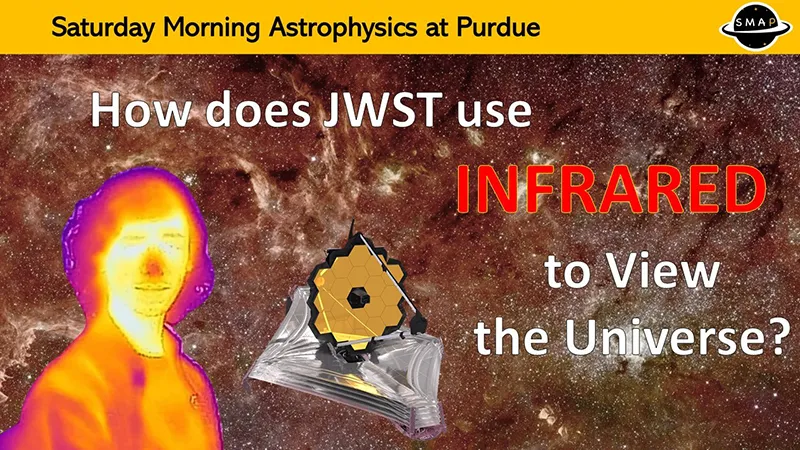
We will introduce you to discoveries of ancient times and cosmological marvels, as well as up-to-date current research. Check out Alan explaining how the James Webb Space Telescope images the cosmos with infrared light.
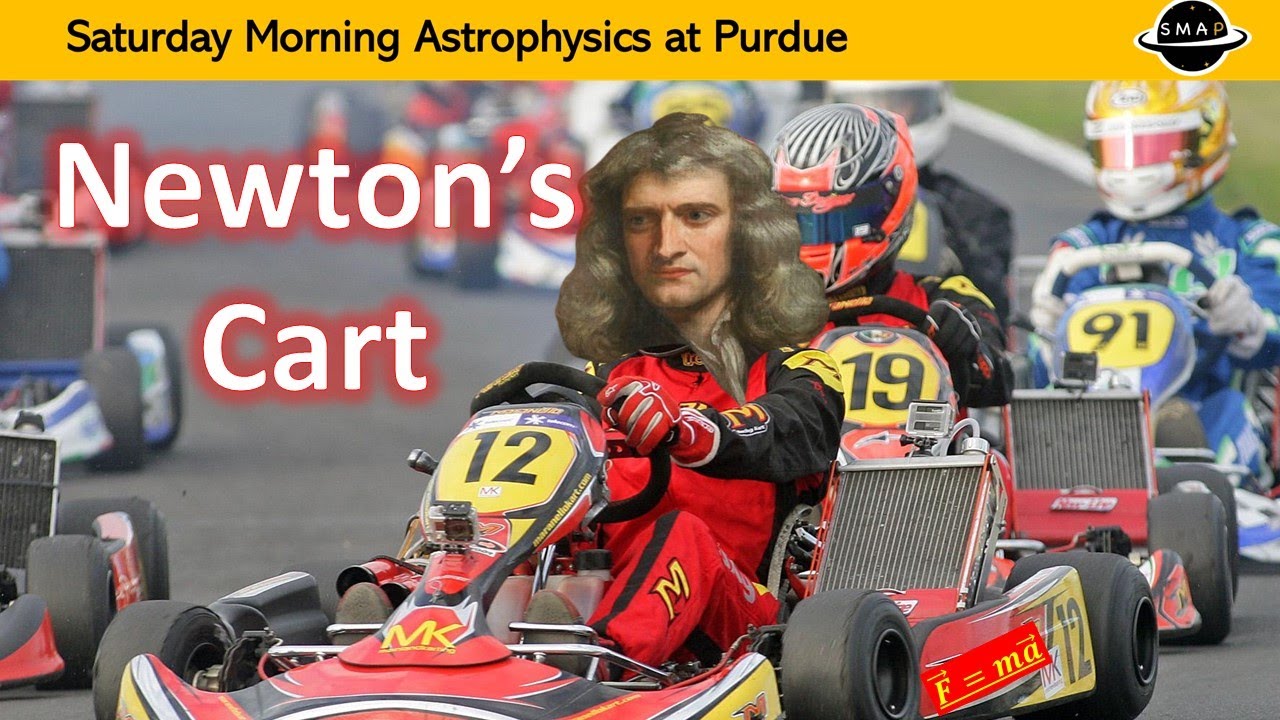 With a simple apparatus constructed of a small slab of wood, a few screws, rubber bands and some steel marbles, students calculate the average and initial velocities of the cart and its ejected counterpart. With marbles of different masses, students can and calculate and graph the relationships among mass, distance, velocity, and momentum. Simple and engaging.
Curious to know more?
Check out some of our recent SMAP sessions and experiments.
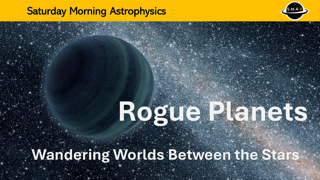
Born without a sun—or violently exiled from one—rogue planets drift through the galaxy alone, carrying secrets about how planetary systems form, evolve, and sometimes fall apart. Professor Merel van 't Hoff explores the dramatic processes by which planets can be ejected into interstellar space, turning them into cosmic wanderers, and methods by which they can be detected.
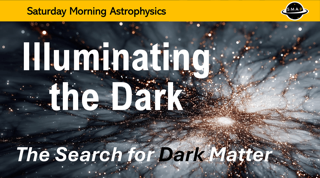
Dark matter is a mysterious form of matter that makes up most of the universe, yet it is invisible. It does not emit or reflect light. We can, however, infer its presence from its gravitational effects on galaxies and stars. The XENONnT experiment is a cutting-edge project designed to detect dark matter particles deep underground, in order to better understand the nature of our Universe. Hear the evidence. Get the story.
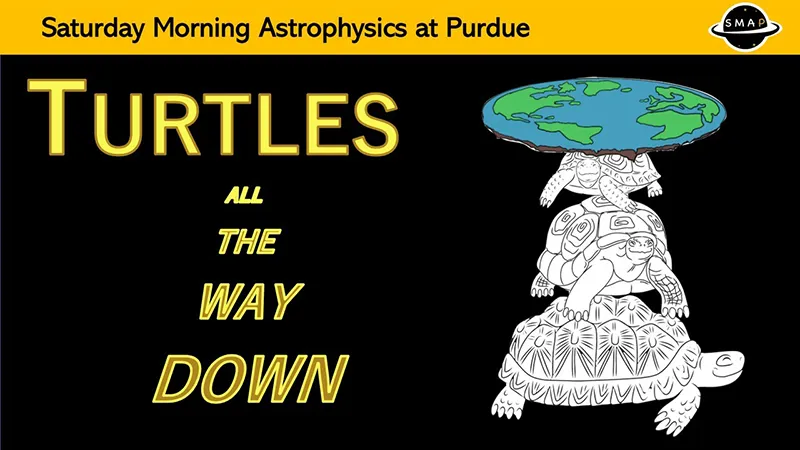
Ancient observers of the night sky only had their eyes, their curiosity and their imagination. Learn about successive attempts to understand the workings of our solar system in the science we call Cosmology.
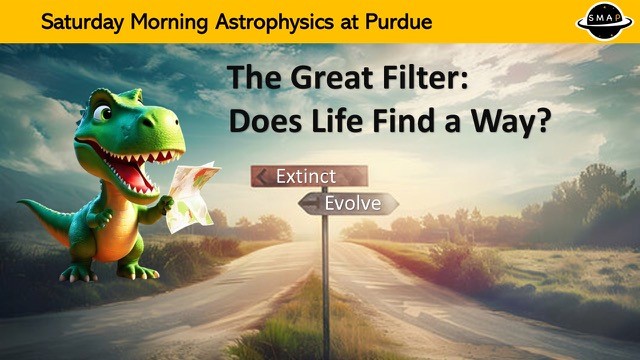
If extraterrestrial life is plentiful, why haven't we made contact? If habitable planets are relatively common, could they be steaming with flora and/or fauna or even life more advanced than humans? Are there barriers that make it unlikely that life anywhere could advance beyond any given evolutionary stage? Philosophy on parade!
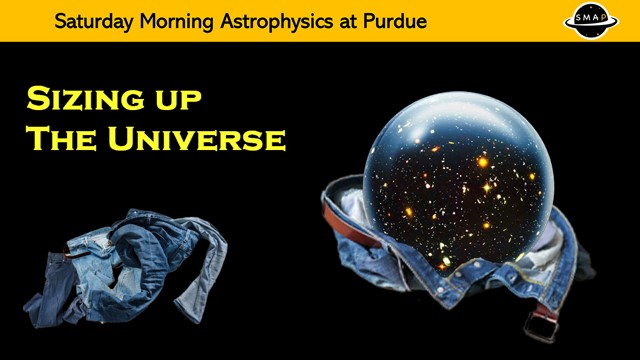
The early years of the 20th century brought evidence that the galaxies we were observing were not static in position, but rather appeared to be receding from our point of view. Could we be at the center? Is there a center? Are objects in the universe actually in motion? Are the apparent "velocities" of galaxies and other objects constant?
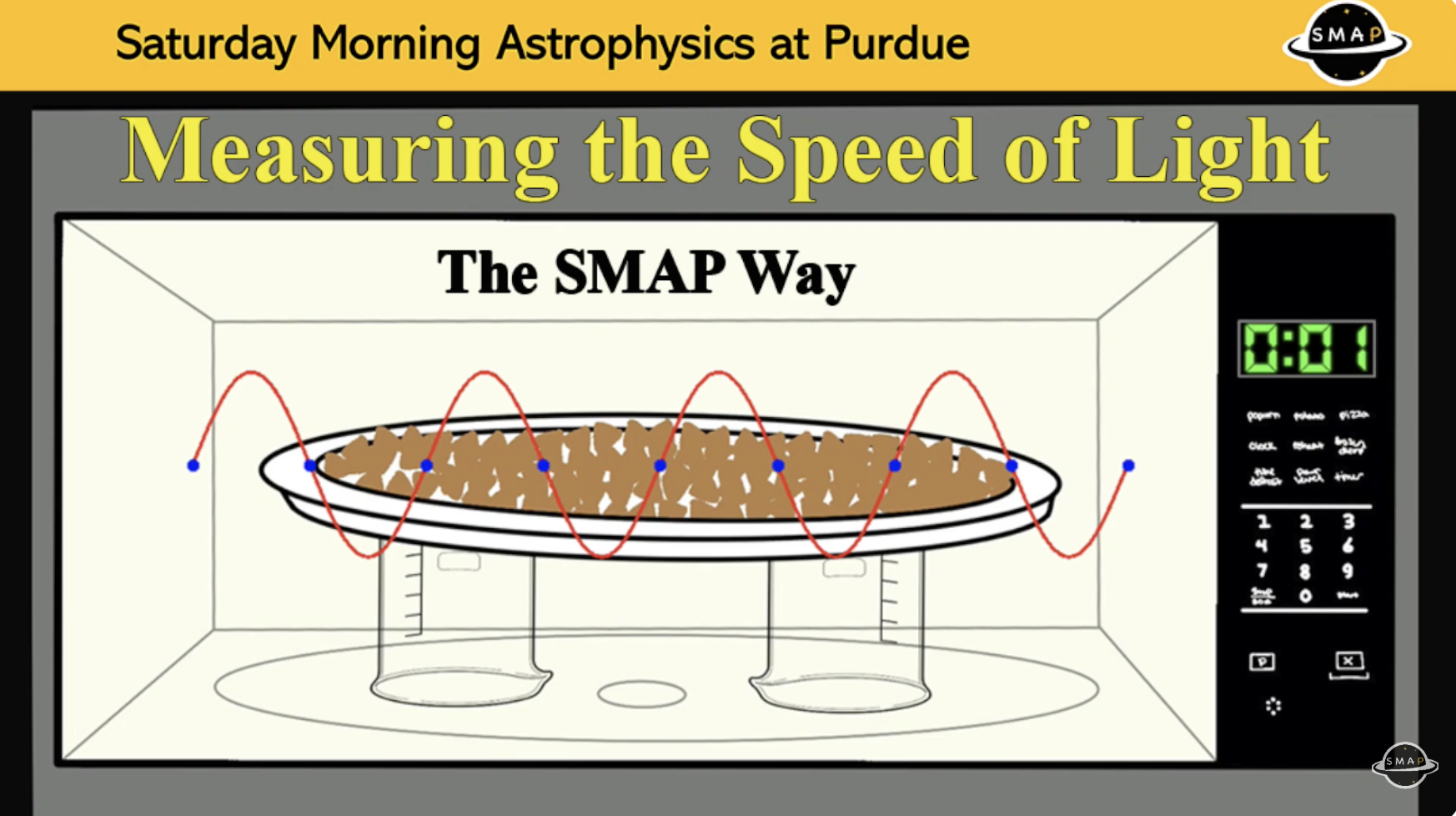
Did you ever think you could measure the speed of light at home in your own kitchen? Follow our safe and easy method and give it a try, and eat your experiment in the end!
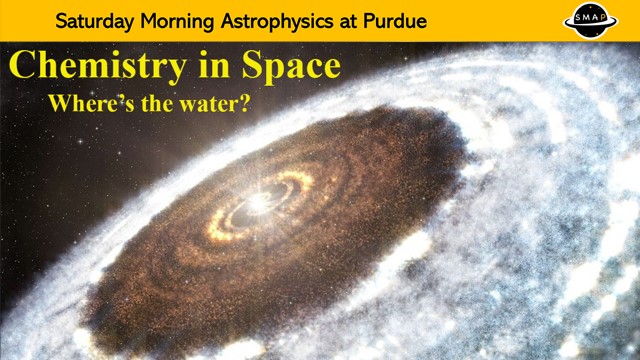
The water on Earth is older than the sun and the solar system itself! Can you believe it? How do we know? This SMAP explores the debate on the origin of water on Earth, as well as on other planets in our own solar system and beyond. Asteroids and comets, you say? You may be surprised.
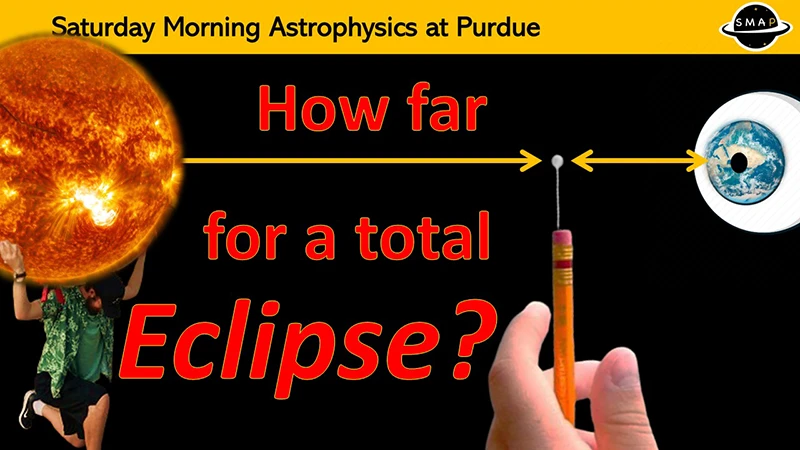
Here’s one for the teachers out there. A giant balloon, your eyeball and a pearl head pin is all you need to demonstrate a total solar eclipse to scale. Pretty cool!
Subscribe to the SMAP YouTube Channel
Grade 8-12 Students Sign up for SMAP
Teachers too! Educators, program directors, science administrators, we have you covered. Register here and we will notify you of upcoming sessions, videos, and latest experiments.
Teachers for SMAP Selected Lessons SMAP Posters
For information about SMAP, Teachers for SMAP, our lessons and activities, please contact Purdue Physics and Astronomy Outreach Coordinator, Dr. David Sederberg, dsederbe@purdue.edu.
PDFs on this page are part of the Department of Physics and Astronomy Web Archive. They are no longer maintained and may not meet web accessibility standards. To request them in an accessible format, contact the department at dsiple@purdue.edu.